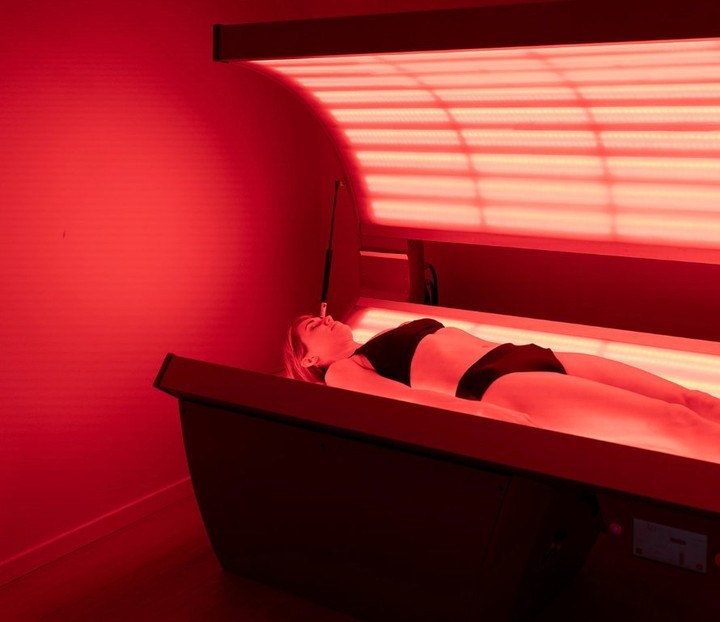
Modern skincare routines increasingly combine traditional products with technology-based treatments to address different skin concerns. From cleansers and moisturisers to serums and sunscreen, people have access to a wide range of options for maintaining healthy-looking skin. LED light therapy machines have become a popular addition to these routines because they use specific wavelengths of light to target the skin without relying on abrasive exfoliation or invasive procedures. When used correctly, these devices can complement established skincare habits and provide an additional approach to managing certain skin concerns.
Understanding LED Light Therapy Machines
LED light therapy machines use light-emitting diodes to deliver specific wavelengths of light to the skin. Different wavelengths penetrate the skin to different depths and are being studied for their potential effects on skin cells and biological processes. Red light is commonly used in treatments focused on skin appearance and signs of ageing, while blue light is often associated with acne-related applications. Some devices combine multiple light colours to address different concerns within a single treatment session. When deciding what to look for in an LED light therapy machine, consider its wavelength options, treatment coverage, safety features, reliability, and after-sales support to find a suitable solution for your clinic.
LED light therapy is generally considered a non-invasive skincare approach because it does not intentionally remove or damage the outer skin layer when used as directed. However, results depend on factors such as the device, wavelength, treatment duration, frequency of use, and the individual’s skin condition. Not every device has the same specifications or supporting evidence, so it is important to understand its intended purpose before incorporating it into a skincare routine.
The Role of Red Light in Skincare
Red light therapy is frequently included in skincare routines designed to support smoother-looking skin and address visible signs of ageing. Research has explored how certain red-light wavelengths may influence cellular activity and processes associated with collagen production. Collagen is a structural protein that helps maintain the skin’s firmness and elasticity. Although some studies report improvements in skin appearance, the strength of the evidence varies, and outcomes are not guaranteed.
For people interested in maintaining their skin’s appearance, an LED light therapy machine may serve as a supplementary treatment alongside moisturisers, sunscreen, and other suitable skincare products. It should not be considered a replacement for established sun protection or dermatologist-recommended treatments. Consistent use according to the manufacturer’s instructions is important, and realistic expectations help users assess whether the treatment is contributing to their skincare goals.

Blue Light Therapy and Acne-Prone Skin
Blue LED light is commonly used in devices marketed for acne-prone skin. Research suggests that particular blue-light wavelengths may affect certain acne-associated bacteria, making this approach a subject of interest in acne management. Some devices combine blue and red light to address more than one aspect of acne-related skin concerns. However, the effectiveness of these treatments can vary, and light therapy may not be sufficient for moderate or severe acne on its own.
People experiencing persistent breakouts should consider consulting a qualified dermatologist before relying on an LED device. Acne can have several contributing factors, including hormonal changes, excess oil production, and inflammation. A suitable treatment plan may involve topical medication, prescription products, or other approaches depending on the individual’s condition. LED light therapy may be considered as an additional option when appropriate, rather than a universal solution for every type of acne.
How to Incorporate LED Therapy into a Daily Skincare Routine
Adding an LED light therapy machine to a skincare routine requires a consistent and straightforward approach. Most at-home devices are intended to be used on clean, dry skin before applying serums, moisturisers, or other leave-on products, although the manufacturer’s instructions should always take priority. Removing makeup, sunscreen, and surface impurities first can help prepare the skin for treatment. Users should also follow the recommended session duration and frequency instead of assuming that longer or more frequent sessions will produce better results.
After completing a session, individuals can continue with their usual skincare products if the device instructions allow it. A gentle moisturiser can help maintain skin hydration, while broad-spectrum sunscreen remains essential during the day to protect against ultraviolet radiation. It is also sensible to introduce new skincare treatments gradually and monitor the skin for irritation, dryness, or unusual reactions. Keeping a simple record of treatment frequency and changes in skin appearance may help users evaluate their routine over time.
Choosing the Right LED Light Therapy Machine
Selecting a suitable LED light therapy machine involves more than comparing appearance or price. Important factors include the wavelengths provided, treatment area, recommended session length, safety features, product quality, and evidence supporting the device’s intended use. Some products are designed as handheld tools for small areas, while others use masks or larger panels to cover a wider portion of the face or body. The right design depends on individual preferences, practical requirements, and the specific skin concerns being addressed.
Consumers should look for clear product instructions and credible information about the device’s performance and safety. Eye protection requirements are particularly important because intense light exposure can pose risks to the eyes. Users should avoid looking directly into LEDs and follow any instructions regarding protective eyewear. People with light-sensitive conditions, those taking medication that increases photosensitivity, or individuals with existing eye concerns should seek appropriate medical advice before beginning treatment.
Understanding Safety and Realistic Expectations
Although LED light therapy is non-invasive, it is not entirely free from potential risks. Some people may experience temporary redness, irritation, dryness, or discomfort, particularly if they use a device incorrectly or have sensitive skin. The possibility of adverse effects depends on the device and the user’s individual circumstances. Following the manufacturer’s guidance and avoiding excessive exposure are important steps for reducing unnecessary risks.
Results also take time to evaluate. A single session is unlikely to produce a dramatic or lasting change, and improvements may be subtle even after consistent use. Product claims should be assessed carefully, especially when they promise immediate results or suggest that light therapy can treat a wide range of medical conditions. Individuals with unexplained skin changes, persistent inflammation, severe acne, or other ongoing concerns should seek professional assessment instead of depending exclusively on home treatments.
Combining LED Therapy with Other Skincare Practices
LED light therapy machines work most effectively as part of a balanced skincare approach rather than as a substitute for basic skin care. Regular cleansing, appropriate moisturising, sun protection, and the careful use of suitable active ingredients remain important foundations. Depending on the person’s needs, a dermatologist may recommend ingredients such as retinoids, azelaic acid, or salicylic acid to address particular concerns. These products should be introduced thoughtfully because combining several treatments without guidance can increase irritation.
A consistent routine should be practical enough to maintain over time. Instead of frequently changing products or extending LED sessions beyond the recommended duration, users can focus on following a regular schedule and observing how their skin responds. Professional advice can help determine whether light therapy is suitable and how it may fit alongside other treatments.
Conclusion
LED light therapy machines have become an option for people seeking to expand their skincare routines with technology-based treatments. Red and blue light devices are commonly used for different cosmetic skin concerns, but their results depend on the technology, usage, and individual skin needs. By choosing a suitable device, following safety instructions, maintaining realistic expectations, and continuing established skincare practices, users can make informed decisions about incorporating LED light therapy into their routines. For persistent or complex skin concerns, professional guidance remains an important part of choosing an appropriate treatment plan.


Leave a Reply